Loading...
Serving Santa Clara, CA and surrounding areas. (669) 215-2523
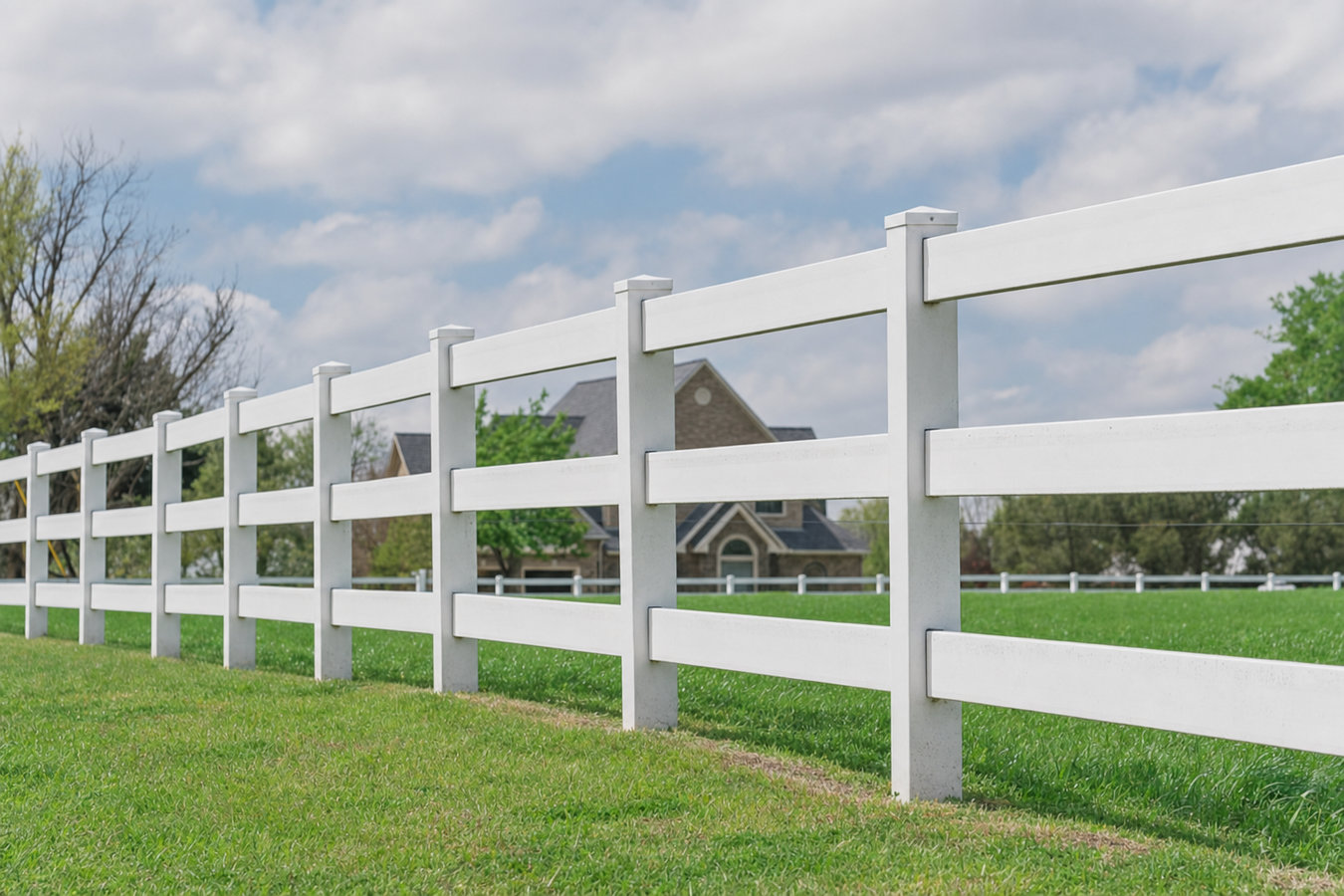
Hobby farms, horse properties, and rural parcels in the Santa Clara Valley need fencing built for clay soils, fire hazard zones, and county permit requirements - not just a standard residential fence stretched across a bigger lot.
Farm and ranch fencing in Santa Clara includes any fence designed to contain livestock, protect growing areas, define property boundaries on larger parcels, or keep wildlife out of your land. In the Santa Clara Valley context, most projects involve hobby farms, horse properties, and rural residential lots in the foothills or unincorporated county areas - and they typically take two to four days for a one- to two-acre perimeter.
Working on agricultural land is different from a standard residential job. The soil conditions, permit jurisdiction, and fence type all change depending on where your parcel sits and what animals or purposes the fence needs to serve. We start every project by confirming your property line and checking which jurisdiction governs your land - city or county - before we quote or pull a permit. If you also need a barrier around a pool on the property, we can coordinate that with pool fence installation so both projects share a single site visit and schedule.
Call us to describe your land and what you need to contain or protect. We will ask the right questions before we ever visit your property - and we will give you a written, itemized estimate before any work begins.
Walk your fence line and push each post firmly with both hands. If it moves, it is no longer doing its job. In Santa Clara's clay soils, seasonal swelling and shrinking can work posts loose over time even if they were set correctly. A leaning post puts stress on every post connected to it, and the problem gets worse with each wet-dry cycle.
Sagging wire is not just an eyesore - it is a gap waiting to happen. Livestock learn quickly that a low spot in a fence can be pushed through or stepped over. If you can see visible dips in the wire between posts, the tension has been lost and the fence needs attention before an animal tests it.
A gate that no longer swings and latches cleanly is a sign that either the hinges have failed or the gate post has shifted. In the Santa Clara foothills, soil movement is common, and gate posts carry more weight and stress than line posts - they are often the first to show problems.
If you are adding horses, goats, chickens, or other livestock to a Santa Clara County property for the first time, your existing residential fence is almost certainly not adequate. Farm animals need fencing designed for their size, strength, and behavior - a standard six-foot wood privacy fence will not contain a determined goat.
We install post-and-rail, woven wire, high-tensile wire, and combination fence systems depending on what you need to contain and the terrain your fence line crosses. Wood post-and-rail is the most popular choice for horse properties in this area because it is visible to animals and less likely to cause injury if a horse runs into it. High- tensile wire is the standard for cattle and goats because it holds tension well over long distances, resists rust, and can handle pressure from large animals without collapsing. We also install agricultural gate systems sized for livestock, tractors, and equipment - not just a standard walk gate widened by a few inches.
Every installation starts with a utility locate through California 811 - required by state law before any post goes into the ground. If your project crosses into an area that may need a chain link fence section for a corral or working area, we can combine both systems in a single project. For properties in fire hazard zones in the Santa Clara foothills, we can discuss non-combustible post and panel options that satisfy both your insurance carrier and your practical needs. We handle the Santa Clara County permit process when required, and we verify your property line before any post goes in the ground.
Best suited for horse properties and equestrian facilities where visibility and animal safety are the top priorities.
Ideal for large perimeters with cattle, goats, or sheep - holds tension over long distances and resists rust for 20 to 30 years.
A good fit for smaller livestock like goats, sheep, and chickens that need smaller openings to prevent escapes and predator entry.
For parcels that need gates sized for horses, tractors, or trailers - heavy-duty hinges and positive-latch hardware that holds up to daily use.
Santa Clara Valley sits on expansive clay soils that swell when wet and shrink when dry. That seasonal movement is one of the most common reasons farm fences fail in this area - posts that are not set deep enough or anchored with the right backfill technique slowly shift over several wet-dry cycles until the fence leans and the wire loses tension. We set posts deeper than the minimum for this reason and use installation methods built for local soil conditions, not methods designed for drier climates. California's repeated multi-year droughts followed by heavy rain seasons have also accelerated wood rot at the soil line, which is why we discuss rot-resistant post species and pressure-treated options with every client on a wood fence project.
Properties in the Santa Clara foothills and unincorporated county areas may also fall within State Responsibility Areas or Very High Fire Hazard Severity Zones. In those areas, material choices near structures are worth a conversation before you commit to a design. We work with property owners across Santa Cruz and Los Gatos as well, including rural parcels in unincorporated county land where the permit process and zoning rules differ from inside city limits. If you are not sure which jurisdiction covers your land, we will find out before we start designing your fence.
We will ask you how many linear feet you need, what the fence needs to contain, and whether you have had a property survey done - before we ever visit your land. You will hear back within one business day. These questions help us arrive at your site already thinking about the right fence for your situation.
We walk the fence line, check the terrain and soil, note any slopes or rocky areas, and confirm where your property boundary sits. You receive a written, itemized estimate that separates materials, labor, gate costs, and permit fees. No vague totals - you know exactly what you are approving.
Depending on your parcel and location within Santa Clara County, a permit may be required. We handle the application and track it through the county process - plan for one to three weeks depending on county workload. If you need a property survey, we can point you to licensed surveyors in the area.
We call 811 before any digging begins. Posts are set and allowed to cure before wire or rails are attached. Most one- to two-acre perimeters are done in two to four days. Before we leave, we walk the full fence line with you - test every gate, push on posts, and check wire tension - so you can confirm everything is right before making your final payment.
Free estimate. Written quote before anything starts. We handle permits and verify your property line so there are no surprises.
We set posts deeper and use backfill techniques suited to Santa Clara Valley clay soils - so the seasonal swell-and-shrink cycle does not slowly push your fence posts out of alignment over the first few years. This adds a small amount to upfront cost and saves you from expensive repairs later.
We verify your property boundary before any post goes in the ground. In the unincorporated areas around Santa Clara, boundary disputes over fences are not uncommon - and fixing a fence that crossed the line is far more expensive than confirming the line before installation begins.
Navigating Santa Clara County permit requirements for agricultural fencing is genuinely confusing, especially for parcels near jurisdictional boundaries. We handle the application and track it through the county, so you never have to deal with the planning department yourself.
Santa Clara County Planning DepartmentFor livestock fencing, we follow installation standards consistent with UC Cooperative Extension guidance on post depth, wire tension, and gate hardware for California agricultural conditions. That means our farm fences are built for how animals actually behave - not just how they behave on a calm day.
UC Cooperative ExtensionFarm and ranch fencing is not a job that benefits from cutting corners - the problems show up slowly and get more expensive the longer they are left. We build fences in Santa Clara County that hold up through the seasons, keep your animals where they belong, and do not cause problems with your neighbors or your county assessor.
Containment systems designed for dogs of every size and temperament, with options that keep pets in without blocking sightlines.
Learn MoreDurable, cost-effective chain link fencing suited to large perimeters, utility areas, and agricultural properties.
Learn MoreSpring and early summer book fast in Santa Clara County - call now to lock in your installation date before the dry season makes post-setting harder.