
Loading...
Serving Santa Clara, CA and surrounding areas. (669) 215-2523
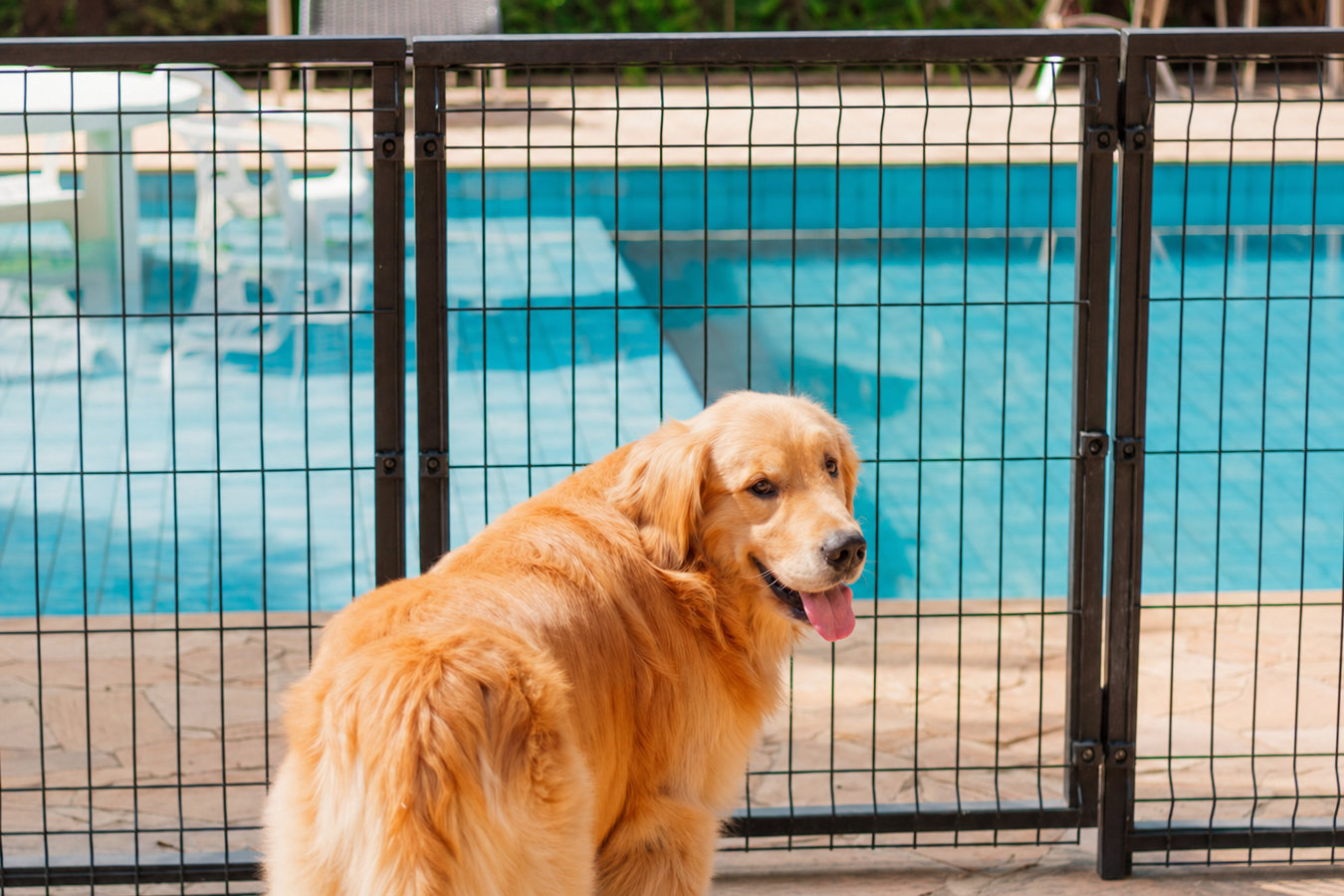
Your dog deserves a yard they can enjoy without a leash. We build dog fences in Santa Clara sized for your breed, with dig guards, proper heights, and gates that stay latched.
Pet and dog fencing in Santa Clara is built around your specific dog - their size, breed, and whether they dig or jump - and most residential backyard installations are completed in one to two days once permits are in place.
If you have a dog that has gotten out before, a standard off-the-shelf fence is rarely the answer. The right solution starts with understanding the dog - a 4-foot fence that works for a Beagle is completely wrong for a Husky. We install pet fencing in Santa Clara sized to match your breed, with the gate hardware and bottom treatment your yard actually needs.
Many homeowners also find that adding a pool fence at the same time makes sense - keeping your dog away from water hazards while also securing the yard perimeter covers both needs in one project.
If your dog has gotten out through a gap, under a fence, or over a low section, that is a clear sign your current setup is not working. In Santa Clara, where streets like El Camino Real and Lawrence Expressway carry fast traffic, one escape is a serious risk - not a quirk to work around.
Walk your fence line and check the bottom edge, the corners, and the posts. If you can see daylight under the fence, if posts are leaning, or if panels have pulled away from their supports, your fence is no longer secure for a dog. These are escape routes, not cosmetic issues.
Many Santa Clara homeowners have yards that were never fenced because previous owners did not have pets. If you are bringing a dog home, getting a proper fence installed before the dog arrives is far easier than managing a new pet in an unsecured yard - and it gives permit processing time to complete without rushing.
Some fences look solid but have gaps at the base, decorative spacing between boards, or latches a determined dog can nose open. If your fence was built for aesthetics and not containment, it may not be secure even if it looks fine. This is especially common in older Santa Clara neighborhoods where fences date back decades.
We install dog fencing in four primary materials - wood, chain link, vinyl, and aluminum - and the right choice depends more on your dog than your budget. Wood and vinyl give you a privacy panel your dog cannot see through, which helps with reactive dogs that bark at every passing person. Chain link is durable, visible, and the most affordable option for large yards, while aluminum looks clean and works well for dogs that do not dig. If security and aesthetics both matter, you might also look at an automatic gate as part of the same project.
Beyond the fence material, the details are what make a dog fence actually work: post depth and concrete footings, gate hardware that your dog cannot nudge open, self-closing hinges, and - for diggers - a buried footer or concrete base along the bottom edge. We design each installation around the dog you have, not a generic template. If you are also dealing with a backyard pool, combining that project with a pool fence installation keeps everything in one scope and one permit process.
Best for homeowners who want privacy and containment in one - great for reactive dogs that are triggered by visual stimuli.
Best for large yards and budget-conscious projects where durability matters more than aesthetics.
Best for homeowners who want a low-maintenance, clean-looking fence with solid panel privacy.
Best for dogs that do not dig and for homeowners who want a polished, open look with lasting durability.
Santa Clara's Mediterranean climate - dry summers and wet winters - puts specific stress on dog fences. Wood fences expand and contract with the moisture swings between seasons, which can loosen posts and warp boards over time. If you choose wood, the species and sealant selection matters: not all wood performs the same in this climate. Staying on top of maintenance after a wet winter keeps small issues from becoming escape routes. Homeowners in San Jose and across the South Bay face the same seasonal pattern, and the same material decisions apply.
Santa Clara also has a high density of HOA-governed neighborhoods - especially in areas like Rivermark and newer developments near the north part of the city. Your HOA may have rules about fence height, material, color, or placement that are stricter than city code. Finding out after installation that your fence does not comply is an expensive fix. Homeowners in Cupertino face similar HOA scrutiny, and the process for getting approval before work starts is the same: pull your CC&Rs, confirm the requirements, and make sure your contractor is designing to those specs from the first measurement.
We ask about your yard size, your dog's breed and habits, and whether there is an existing fence. That information shapes the design before we ever visit. We reply within one business day.
We measure your yard, review the ground conditions, and walk through your material and height options. You get a written quote that covers everything - materials, labor, permits, and any dig-guard features - before any work begins.
If your project requires a city permit - which it typically will for a new Santa Clara fence - we handle the application and track the timeline. Permit processing generally takes one to two weeks, and we build that into the schedule from the start.
Most standard backyard installations take one to two days. Before we leave, we walk the fence line with you, test every gate latch, and check the bottom edge for gaps. Your dog is safe to use the yard the same day.
We handle permits, HOA checks, and dig guards - so you get a fence built for your dog, not just any fence.
Before recommending a material or height, we ask about your dog's breed, size, and history. A fence that works for your neighbor's lab may not work for your Husky. This conversation happens before any measurement or quote.
For dogs with a digging history, we install a buried footer or concrete base along the bottom edge as part of the original installation. It is far less expensive to build this in from the start than to add it after a dog has already found a way under. We discuss this option on every estimate visit.
The City of Santa Clara requires permits for most new fences, and we pull that permit before any post goes in. You do not need to call the building department, track the approval, or figure out the forms. We handle that process and give you a timeline that reflects the permit step, not just the installation.
Many Santa Clara neighborhoods have homeowners associations with specific fence rules. We review your HOA guidelines before finalizing the design - so what gets built is something your association will approve. The American Fence Association sets professional standards for this kind of work, and we follow them on every project.
Every dog fence we build in Santa Clara starts with the dog - not the fence style. That approach, combined with permit handling and HOA review built into our standard process, means homeowners avoid the two most common and expensive mistakes: a fence that does not actually contain their dog, and a fence that fails a city or HOA inspection.
Add a self-closing, latching gate to your dog fence so the yard stays secure even when someone forgets to close it manually.
Learn MoreProtect your dog from pool hazards with a barrier that meets California's pool safety requirements and works alongside your yard fence.
Learn MoreSpring is the busiest season for fence installations in Santa Clara. Reach out now to lock in your project date before the schedule fills up.