
Loading...
Serving Santa Clara, CA and surrounding areas. (669) 215-2523
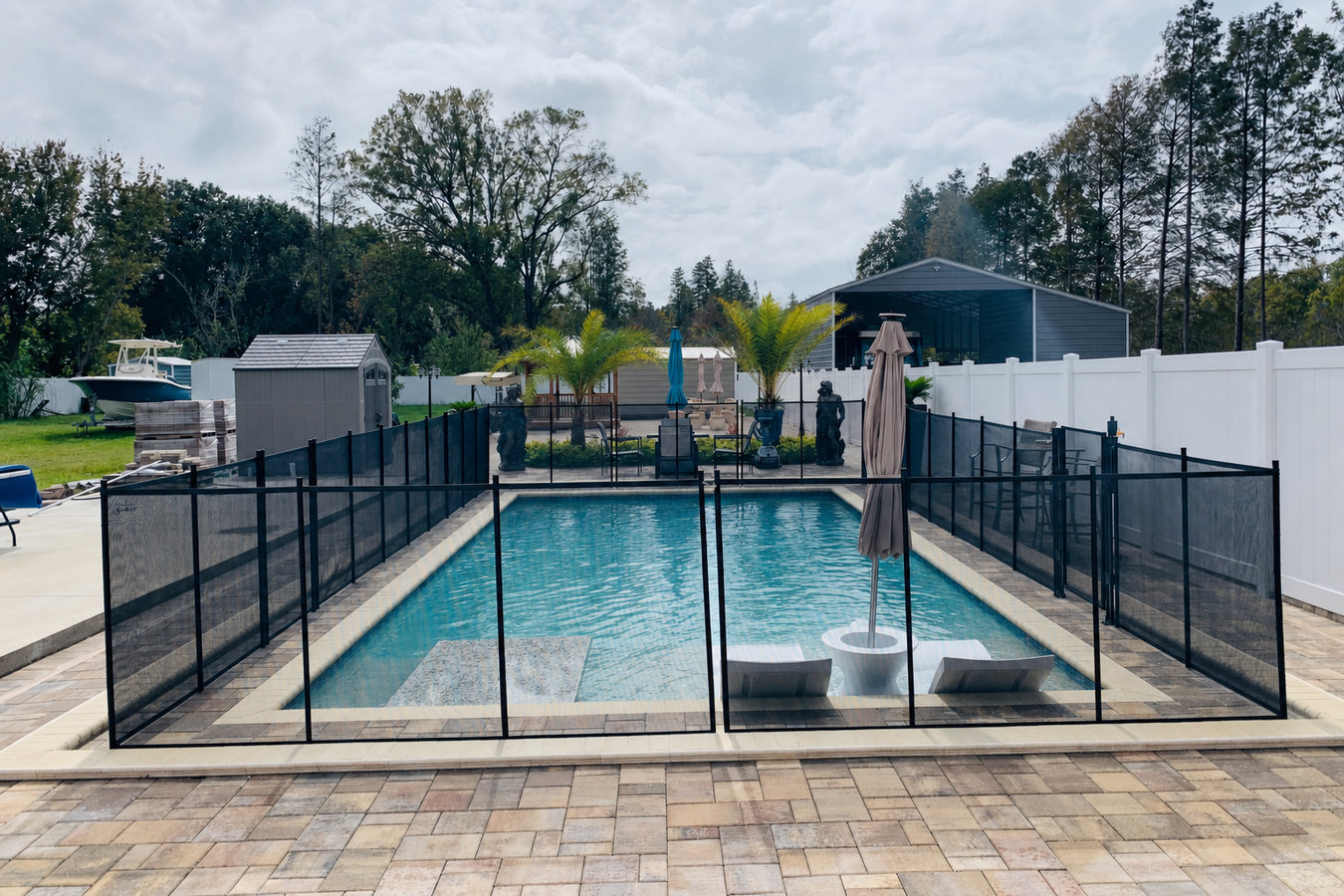
California requires a code-compliant pool barrier on every residential pool. We handle the permit, set the posts, install self-latching gates, and schedule the city inspection - so your yard is legal and your family is protected.
Pool fence installation in Santa Clara is required by California law for every residential pool. We measure the perimeter, select the right material for your yard and HOA, pull the permit, and have a crew on-site - most standard backyard jobs finish in one to two days.
If you have a pool in Santa Clara without a compliant barrier, you are out of compliance with state law and your homeowner insurance may have questions. That matters whether you are raising a family, hosting grandkids, or planning to sell. Many homeowners start by exploring aluminum fence options because aluminum handles Bay Area weather well and satisfies city inspectors.
We serve Santa Clara and the surrounding South Bay. Call us to schedule a site visit and we will walk you through the exact requirements for your property before any money changes hands.
California law is clear: every residential pool must be enclosed by a compliant barrier. If your yard has a pool with no fence separating it from the rest of the property, you are not in compliance. This is the most urgent situation, and the pool should not be used until it is corrected.
Push your pool gate and let go. Does it swing fully closed and latch on its own, every time? A gate that requires a hand to close is a gate that will eventually be left open. Self-closing, self-latching hardware is a code requirement in California, not just a good idea.
Walk the fence line and look for sections where the bottom has lifted from the ground or where a panel has come loose. Santa Clara's wet winters and dry summers put stress on hardware and footings over time. A fence that looks intact from a distance may have serious gaps close up.
Pool barrier requirements have been updated in California over the years, and a fence installed a decade ago may no longer meet current standards. Aluminum and steel can also develop rust or loose connections over time. An older fence that looks fine from the street may fail a city inspection if you trigger one during a sale or renovation.
The most common materials for pool barriers in Santa Clara are aluminum, powder-coated steel, tempered glass panels, and removable mesh. Aluminum is the most popular choice here because it resists rust, holds a powder-coat finish through Bay Area winters and summers, and costs less than glass. For homeowners who want something that disappears when not in use, removable mesh systems use deck-sleeve anchors and can be taken down and stored - though the legal barrier requirement still applies any time children are near the pool. If you are also looking at farm and ranch fencing for a larger property, we can coordinate both projects so only one crew visits your site.
Every pool fence we install includes self-closing, self-latching gate hardware that we test repeatedly before leaving your property. We handle the permit application with the City of Santa Clara Building Division, coordinate the final inspection, and hand you the signed permit paperwork at the end of the job. If you have a homeowners association, we will review your CC&Rs and make sure the design satisfies both the city inspector and your HOA board before work begins.
Best for homeowners who want a low-maintenance, rust-resistant barrier that holds its finish for years without painting or staining.
Ideal for homeowners who want an unobstructed view of the pool area and are willing to invest in premium materials and regular cleaning.
A good fit for families with young children who want a full safety barrier when kids are present and an open yard feel when they are not.
Suits homeowners who want a heavier, more substantial look than aluminum at a lower cost than wrought iron or glass.
Santa Clara averages over 300 sunny days a year and pool use typically runs from April through October - which makes spring the busiest period for pool fence contractors and for the City of Santa Clara Building Division. Permit wait times can stretch longer than most homeowners expect if they wait until May. If you are planning a fence for summer, reaching out in February or March gives your contractor time to submit a complete application and get it approved before the heat arrives. Neighborhoods like Rivermark and the newer developments near the north end of the city often have HOA design guidelines that go beyond what the city requires, so your contractor needs to know your HOA rules before selecting materials.
Santa Clara home values regularly sit above $1.5 million, and buyers agents here routinely flag non-compliant pool barriers during escrow. A fence installed without a permit or one that does not meet current code can delay or kill a sale. We serve homeowners in Sunnyvale and San Jose as well, and we understand that permit compliance is not just a formality in this market - it protects the equity you have built in your home. Doing the job right the first time, with a permit and a passed inspection, is how we protect your investment.
Contact us by phone or through the form and you will hear back within one business day. We will ask about your pool size, material preferences, and whether you have an HOA - so we arrive at your property already thinking about your specific situation.
We visit your yard, measure the perimeter, check for obstacles like slopes or planters, and note any HOA restrictions. You receive a written quote that breaks out materials, gate count, labor, and permit fees separately - no vague totals.
Once you approve the estimate, we submit the permit application to the City of Santa Clara Building Division on your behalf. In busy spring months, plan for two to four weeks; in fall and winter it is often faster. We keep you updated - you will not need to chase us for status.
The crew arrives with all materials, sets posts in concrete footings, attaches panels, and tests every gate multiple times. Most standard jobs finish in one day. We schedule the city inspection, walk the passed fence with you, and hand you the permit paperwork to keep with your home records.
Free estimate. No pressure. We handle the permit and the city inspection - you just enjoy the pool.
The City of Santa Clara Building Division requires a permit for every pool barrier installation. We submit the application, track it, and schedule the final inspection - so you never have to navigate the building department yourself. A passed inspection also protects your home value at resale.
Every gate we install is tested for self-closing and self-latching action multiple times before the crew packs up. We do not call a job done until the gate works correctly every single time. This is the one part of a pool fence that matters most, and it is where too many contractors cut corners.
You can verify our California Contractors State License Board license number before you sign anything. We also carry general liability and workers compensation insurance, which protects you if anything unexpected happens on your property. Always ask any contractor you consider for both before work begins.
Verify on CSLB websiteWe work in Santa Clara neighborhoods including Rivermark and the areas with active HOA boards, so we know which design questions to ask before ordering materials. A fence that satisfies the city inspector but violates your HOA rules is a problem we prevent upfront, not a surprise after installation.
Every pool fence project we complete is backed by the same standard: permitted, inspected, and built to hold up through Bay Area winters and summers. When you call us, you get a contractor who treats your family home the same way we would treat our own.
Perimeter fencing for hobby farms, horse properties, and larger Santa Clara County parcels that need heavy-duty containment.
Learn MoreLow-maintenance aluminum panels that resist rust and hold their finish through Bay Area wet winters and dry summers.
Learn MoreSpring permit slots fill up fast in Santa Clara - call now to lock in your installation date before the wait stretches into June.