
Loading...
Serving Santa Clara, CA and surrounding areas. (669) 215-2523
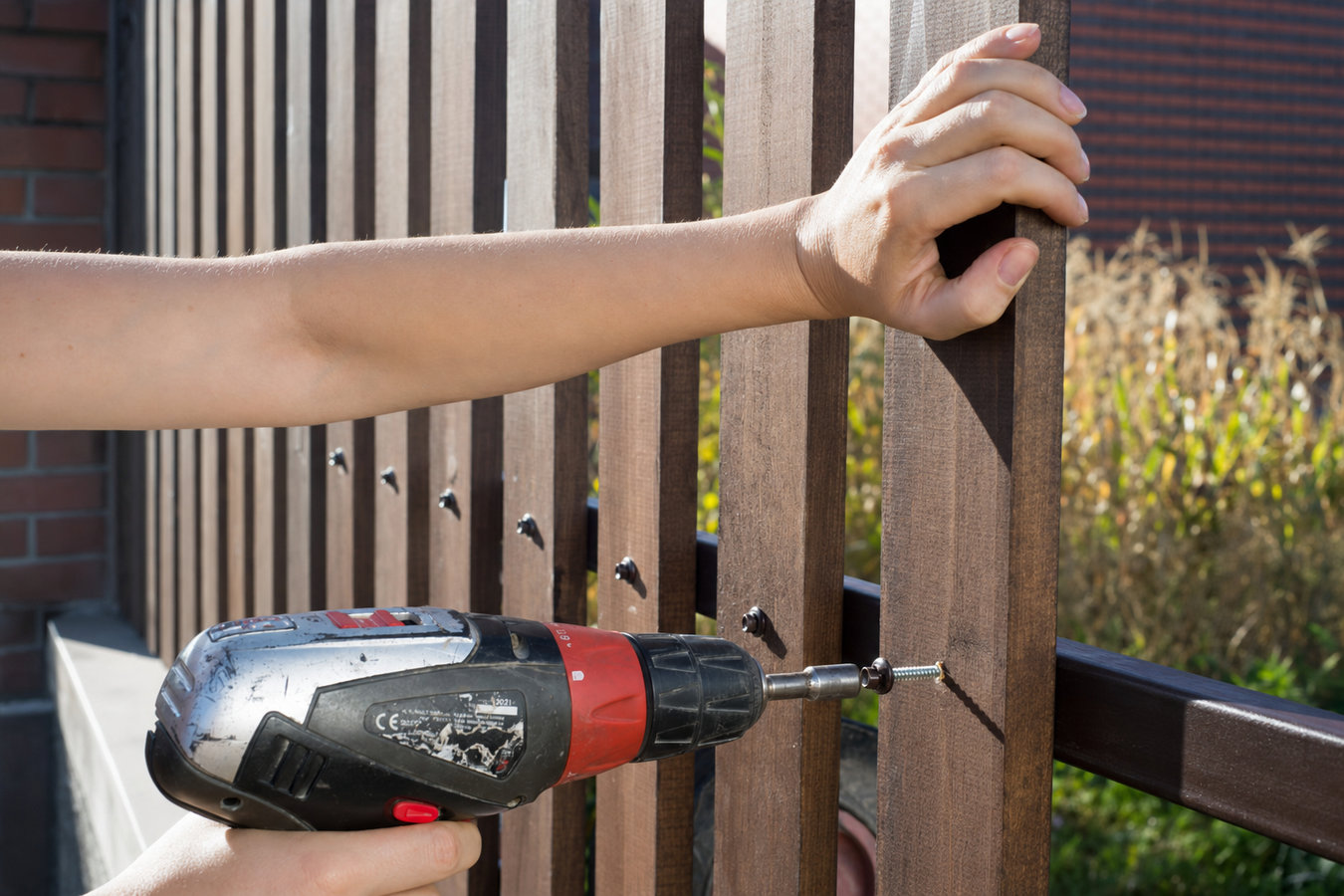
Old fence leaning, rotting, or just past its useful life? We handle complete removal, new installation, and all city permits so your yard has a solid, clean fence without the hassle.
Fence replacement in Santa Clara means removing the old fence completely - posts, panels, and all hardware - and installing a brand-new one from the ground up, with permits pulled from the City of Santa Clara, posts set deep in local clay soil, and debris hauled away before the crew leaves, with most residential jobs finished in one to three days.
Replacement is a different job than repair. When a fence has rotting posts, sections that have shifted out of alignment, or boards that have been failing for multiple seasons, patching it extends the problem rather than solving it. A full replacement gives you the chance to choose a better material, update the height or style, and start from a solid foundation - literally. In Santa Clara, where clay-heavy soil can push poorly set posts out of alignment over several wet winters, getting the post installation right from the start is what determines whether a new fence lasts 15 years or starts leaning within three.
Not sure whether your fence needs replacement or can still be saved? Take a look at our fence repair page for a guide on what is worth fixing. If the posts are solid but the style is dated, our wood fence installation page covers material and design options in detail.
If your fence is tilting to one side or posts look like they are rising from the soil, the foundation of the fence has failed. In Santa Clara's clay-heavy soil, this often happens after several wet winters as the ground swells and shifts enough to push posts loose. A leaning fence is not just an eyesore - it is a safety hazard, especially with children or pets in the yard.
Walk the fence line and look for boards that are soft to the touch, dark at the base, or cracking along the grain. Wood rot typically starts at the bottom of boards near the soil and spreads fast in damp spots. Once rot reaches the posts, a repair is rarely cost-effective - replacement becomes the cleaner path.
Large gaps between boards, sections that have shifted, or panels that flex when pushed mean the fence is no longer doing its job. This matters especially if you have a pool, young children, or a dog - a compromised fence is a liability. A new fence installed correctly will be solid and consistent from end to end.
Most wood fences in Santa Clara reach the end of their useful life somewhere between 15 and 20 years, especially without regular sealing or staining. If you do not know when your fence was installed, check the base of the posts - if the wood there is dark, soft, or crumbling, the fence is likely near the end. Replacing now, before it fails completely, is almost always less disruptive than waiting.
We replace fences in all the primary materials available for residential properties in Santa Clara: wood, vinyl, aluminum, and chain-link. Wood is the most common choice in the older neighborhoods close to downtown and around Santa Clara University - it fits the character of mid-century ranch homes, is easy to customize for height and board spacing, and can be stained to any color. If you are replacing a wood fence, pairing the new installation with a fence repair assessment first confirms that any adjacent sections or gate posts do not need to come out as well, which saves you from discovering problems after the new fence is already in.
Vinyl and aluminum are popular upgrades for homeowners who are tired of maintenance cycles - neither rots, and neither needs staining. Vinyl holds its color well in the South Bay sun and is a common choice in newer Rivermark-area developments, while aluminum is preferred where a clean metal appearance or ornamental style matters. Chain-link is the most cost-effective option per linear foot for larger lots or utility fencing at the rear of a property. Whatever material you choose, every replacement job includes pulling the required permit from the City of Santa Clara, calling 811 before any digging begins, and hauling away the old fence completely - nothing left at the curb. For properties where the fence line runs along a shared boundary, we can also walk you through wood fence installation options that work within California's shared-fence rules.
Best for older Santa Clara neighborhoods where wood matches the property style and the homeowner wants the ability to customize height, spacing, and stain color.
Best for homeowners who want a low-maintenance fence that holds its color and does not need periodic sealing - common in newer planned communities.
Best for properties where a clean, rust-resistant metal fence is preferred and curb appeal or an ornamental look matters alongside durability.
Best for larger lots, rear-yard utility fencing, or rental properties where cost per linear foot is the primary factor.
Santa Clara sits on dense, expansive clay soil - the kind that swells when it gets wet and shrinks when it dries out. That seasonal movement can push fence posts out of alignment within a few years if they are not set deep enough or anchored in concrete properly. A contractor familiar with local conditions will set posts to account for that ground movement, which is the single biggest factor in whether a new fence stays plumb for 15 years or starts leaning after the third rainy season. In nearby San Jose the same clay-heavy soil conditions apply, and the same attention to post depth and concrete mix is what separates a fence that holds from one that does not.
Beyond the soil, there are two local factors every Santa Clara homeowner should understand before scheduling a replacement. First, the City of Santa Clara requires a building permit for most fence replacements - especially those exceeding six feet in the backyard or three feet in the front. A contractor who knows the Community Development Department process will pull that permit as a standard part of the job, not as an afterthought. Second, a large number of Santa Clara neighborhoods have HOAs with rules about fence height, material, and color - particularly in the planned communities built during the 1980s and 1990s tech booms. Getting written HOA approval before a single post goes in prevents the expensive scenario of being asked to tear out a brand-new fence. Homeowners in Campbell and other nearby cities navigate similar permit and HOA requirements, and the lesson is the same everywhere: confirm the paperwork before the work starts.
You call or submit a request, and we schedule a time to visit your property. We measure the fence line, look at what is there now, and ask what you want - height, material, style, gate placement. You get a written quote that breaks down labor and materials clearly. We reply to requests within one business day.
Once you accept the quote, we apply for any required permit from the City of Santa Clara before work begins. We also call 811 to have underground utility lines marked - this is required by California law before any digging and is part of our standard process. You do not need to handle either step yourself.
The crew removes the old fence - posts, panels, and all hardware - and loads it for disposal. Wood fence materials are sorted for recycling or composting where possible. On the day of work your yard will be inaccessible, and there will be noise from post-hole digging and power tools - plan to keep pets and children inside.
New post holes are dug, posts are set in concrete, and panels and gates are installed. Most standard residential jobs in Santa Clara are finished in one to two days. If a permit was pulled, a city inspection follows - we handle scheduling and are present for it. We walk the fence line with you before we leave and do not sign off until you are satisfied.
Free written estimate, no obligation. We handle permits and haul-away - you just approve the work.
Santa Clara's expansive clay soil swells in winter and contracts in summer. We set posts deeper than the minimum and use concrete suited to that movement cycle. The result is a fence that stays plumb through years of Bay Area wet seasons, not one that starts leaning after the second or third rainy season.
We work with the City of Santa Clara's Community Development Department regularly and know what the permit process requires. We file, schedule any inspections, and are present when the inspector arrives. You do not visit a city office or fill out a form - and when the job is done, your fence is on the books. For details on the city's requirements, see the Santa Clara Community Development Department.
Many Santa Clara neighborhoods have active HOAs, and a significant number of fences sit on shared property lines. We help homeowners understand what their HOA requires, support the approval process, and handle neighbor conversations about shared fences correctly - reducing friction before work starts rather than discovering a problem after the new fence is already in.
We remove the old fence and haul every piece of it away as part of the job. On a city lot in Santa Clara, where neighbors are close and yards are small, working tidily and finishing clean matters. By the time we drive away, your yard is ready to use. Debris removal is confirmed in writing in your quote - no surprises on the day of installation.
These are not talking points - they are the specific problems Santa Clara homeowners run into when a replacement job is done without local knowledge. We have solved each of them many times over and built our process around avoiding them from the start.
Choosing the right wood species, board spacing, and height for a new fence that fits your property and the local climate.
Learn MoreTargeted fixes for broken boards, leaning posts, or damaged sections when the fence as a whole is still worth saving.
Learn MoreCall us or submit an estimate request and we will get back to you within one business day with a written quote and a clear timeline.